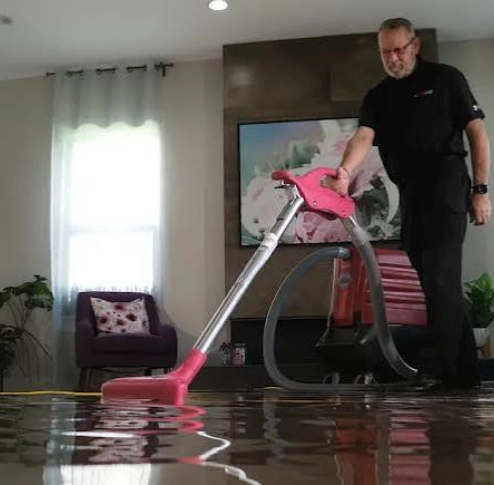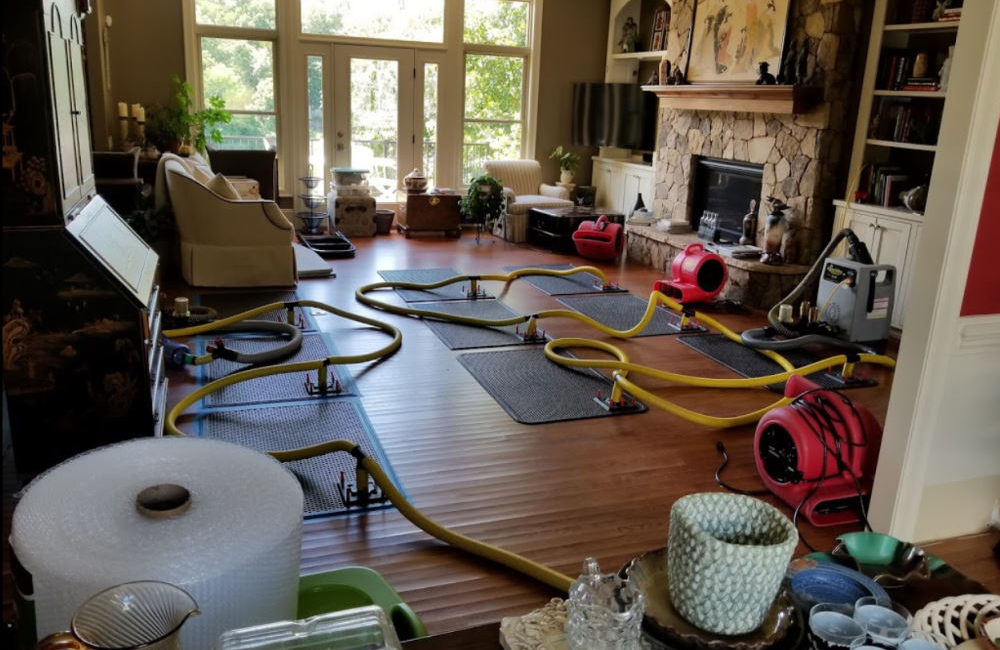
Many homeowners are surprised to learn that mold problems often begin long before visible signs appear. A small plumbing leak, moisture trapped behind basement walls, attic condensation during winter, or water intrusion after a storm can create ideal conditions for mold growth.
In Saint Louis Park, mold issues frequently develop after water damage events, especially in older homes, finished basements, and areas where moisture remains hidden for extended periods. Understanding what happens during a professional mold removal project can help homeowners make informed decisions and prevent minor issues from becoming major restoration challenges.
At SIMESOTA Restoration, we work with property owners throughout Saint Louis Park to identify, contain, and remove mold while addressing the moisture conditions that caused it in the first place.
Why Mold Problems Are Common in Saint Louis Park Homes
Saint Louis Park features a mix of historic homes, mid-century properties, and newer residential developments. While this variety contributes to the city’s character, it also means mold issues can develop for different reasons depending on the age and condition of the property.
In older neighborhoods, we often encounter mold related to foundation seepage, aging plumbing systems, and insufficient ventilation. Some homes have finished basements that were renovated years ago, where hidden moisture can become trapped behind drywall and insulation.
Minnesota’s seasonal weather patterns also play a role. Snow accumulation during winter, followed by spring thaw and rainfall, can introduce moisture into basements, crawl spaces, and attics. Ice dams along rooflines may allow water to enter attic spaces, creating conditions that support mold growth on roof decking and framing.
Because mold thrives in damp environments, even a small leak can eventually lead to a larger remediation project if moisture is not addressed promptly.
Common Signs of Mold Growth
Mold isn’t always visible. In many cases, homeowners notice indirect signs before they ever see mold itself.
Common warning signs include:
- Persistent musty odors
- Water stains on ceilings or walls
- Peeling paint or bubbling drywall
- Discoloration around baseboards
- Condensation problems in attics or windows
- Previous water damage that was never professionally dried
- Recurring moisture issues in basements
If any of these conditions are present, a professional inspection can help determine whether mold growth is occurring behind surfaces.
Step 1: Comprehensive Mold Inspection
The first stage of any professional mold removal project is identifying the full scope of the problem.
A thorough inspection helps determine:
- Where mold is growing
- How far contamination has spread
- Whether hidden mold is present
- What moisture source caused the issue
- Which building materials have been affected
At SIMESOTA Restoration, inspections focus on both visible mold and the underlying moisture conditions that support its growth.
In Saint Louis Park homes, common inspection areas include:
- Finished basements
- Utility rooms
- Attics
- Bathrooms
- Laundry rooms
- Areas surrounding plumbing fixtures
- Spaces affected by previous flooding or leaks
Without identifying the moisture source, mold often returns even after cleanup.
Step 2: Establishing Containment
One of the most important parts of mold remediation is preventing contamination from spreading to other areas of the home.
During removal, mold spores can become airborne and travel throughout the property if proper precautions are not taken.
To control this risk, remediation professionals establish containment systems using:
- Physical barriers
- Sealed work zones
- Negative air pressure systems
- Controlled access points
This process helps keep unaffected portions of the home protected while remediation is underway.
A Common Scenario We See in Saint Louis Park
One of the most frequent situations we encounter involves finished basements in older homes.
A homeowner may notice a small amount of water entering the basement during spring snowmelt or after several days of heavy rain. The water is cleaned up quickly, and everything appears dry.
Months later, a musty odor develops.
After inspection, mold is often discovered behind finished walls where moisture remained trapped after the initial water event. In many cases, the visible living area appears unaffected while mold growth continues behind drywall and insulation.
Because many Saint Louis Park residents use their basements as family rooms, guest spaces, offices, or recreation areas, hidden mold can affect a significant portion of the home’s usable living space.

Step 3: Air Filtration and Environmental Control
Once containment is established, professional air filtration equipment is installed to capture airborne mold spores.
This equipment helps:
- Improve air quality during remediation
- Reduce cross-contamination
- Protect unaffected areas of the property
Air filtration becomes particularly important when remediation involves wall cavities, attic spaces, or larger contaminated areas.
Step 4: Removal of Mold-Damaged Materials
Depending on the severity of contamination, some materials may need to be removed.
Common examples include:
- Drywall
- Insulation
- Carpet padding
- Ceiling materials
- Water-damaged wood products
Materials that cannot be safely restored are carefully removed to eliminate contamination and allow access to affected structural areas.
The extent of removal depends on how long moisture has been present and how deeply mold has penetrated the building materials.
Step 5: Cleaning and Remediation
After damaged materials have been removed, remediation specialists clean the remaining surfaces.
This process may include:
- HEPA vacuuming
- Surface cleaning
- Structural cleaning procedures
- Specialized mold remediation treatments
The goal is to remove mold contamination while preparing the affected areas for restoration.
Every property requires a customized approach based on the extent of damage and the materials involved.
Step 6: Moisture Control and Drying
One of the biggest reasons mold returns is unresolved moisture.
Professional drying and moisture monitoring help ensure affected materials reach acceptable moisture levels before repairs begin.
This stage is especially important in Minnesota, where seasonal humidity changes and recurring moisture problems can contribute to future mold growth if conditions are not properly corrected.
Step 7: Restoration and Reconstruction
Once remediation is complete, restoration work can begin.
Depending on the project, this may involve:
- Drywall replacement
- Insulation installation
- Painting
- Flooring repairs
- Trim replacement
- Rebuilding finished basement areas
The objective is to restore the property while ensuring the conditions that allowed mold growth have been addressed.
Why Professional Mold Removal Matters
Many homeowners attempt to clean mold using household products. While surface cleaning may remove visible growth, it rarely addresses hidden contamination or the moisture source causing the problem.
Professional remediation provides:
- Comprehensive inspection
- Containment of mold spores
- Moisture source correction
- Removal of contaminated materials
- Improved indoor air quality
- Long-term prevention strategies
Most importantly, it helps prevent recurring mold problems that can continue damaging the property over time.
Why Saint Louis Park Homeowners Trust SIMESOTA Restoration
Successful mold remediation requires more than simply removing visible mold. It requires understanding how moisture behaves within a structure and identifying conditions that contribute to ongoing growth.
SIMESOTA Restoration provides comprehensive mold remediation services throughout Saint Louis Park and surrounding communities. Our team has experience addressing mold issues caused by basement moisture, storm-related water intrusion, attic condensation, plumbing leaks, frozen pipes, and other common challenges affecting Minnesota homes.
Using advanced inspection techniques, moisture detection technology, containment systems, and professional remediation methods, we help homeowners restore healthy indoor environments while protecting the long-term condition of their properties.
Because every home is different, our process is designed to provide customized solutions that address both the mold itself and the underlying causes of the problem.
Don’t Ignore the Early Signs of Mold
Mold rarely disappears on its own. What starts as a small moisture issue can eventually spread behind walls, beneath flooring, and into structural materials.
If you’ve noticed musty odors, water stains, recurring moisture problems, or signs of previous water damage in your Saint Louis Park home, a professional inspection can help identify potential mold concerns before they become more extensive.
SIMESOTA Restoration provides professional mold removal and remediation services throughout Saint Louis Park, helping homeowners protect their properties, indoor air quality, and peace of mind.
Frequently Asked Questions
1. What are the most common causes of mold growth in Saint Louis Park homes?
Mold problems in Saint Louis Park are often linked to basement moisture, plumbing leaks, ice dam damage, attic condensation, and water intrusion following heavy rainfall. Older homes in particular may experience moisture issues due to aging foundations, outdated ventilation systems, or previous water damage.
2. How can I tell if mold is growing behind walls?
Musty odors, peeling paint, water stains, warped drywall, and recurring moisture issues may indicate hidden mold. In many Saint Louis Park homes, mold is discovered behind finished basement walls after a leak or flooding event.
3. Does mold always develop after water damage?
Not always, but mold can begin growing within 24 to 48 hours if moisture remains trapped in building materials. Quick drying and restoration significantly reduce the risk of mold development after water damage.
4. What areas of a home are most vulnerable to mold?
Common problem areas include basements, attics, crawl spaces, utility rooms, bathrooms, laundry rooms, and areas surrounding plumbing fixtures. Finished basements are especially susceptible when water intrusion goes unnoticed.
5. Why can’t mold simply be cleaned with household products?
Surface cleaning may remove visible mold, but it does not address hidden contamination or the moisture source causing the growth. Professional remediation focuses on identifying the full extent of the problem and preventing future recurrence.
6. How long does a professional mold removal project take?
The timeline depends on the size of the affected area, the amount of contamination, and whether damaged materials require replacement. Smaller projects may take only a few days, while larger remediation and restoration projects can take longer.
7. Will mold remediation require removing drywall or insulation?
In some cases, yes. If mold has penetrated porous materials such as drywall, insulation, or carpet padding, those materials may need to be removed to ensure proper remediation.
8. Can mold affect indoor air quality?
Yes. Mold releases microscopic spores that can circulate through the air and spread to other areas of the property. This is one reason containment and air filtration are important parts of the remediation process.
9. How do professionals prevent mold from spreading during removal?
Professional remediation teams use containment barriers, negative air pressure systems, and specialized air filtration equipment to prevent mold spores from migrating to unaffected areas of the home.
10. Why do homeowners in Saint Louis Park choose SIMESOTA Restoration?
SIMESOTA Restoration understands the moisture challenges affecting homes throughout Saint Louis Park, including aging infrastructure, basement water intrusion, winter condensation issues, and storm-related water damage. Our team provides comprehensive mold remediation services that address both the mold growth and the underlying moisture problem to help protect the long-term condition of the property.