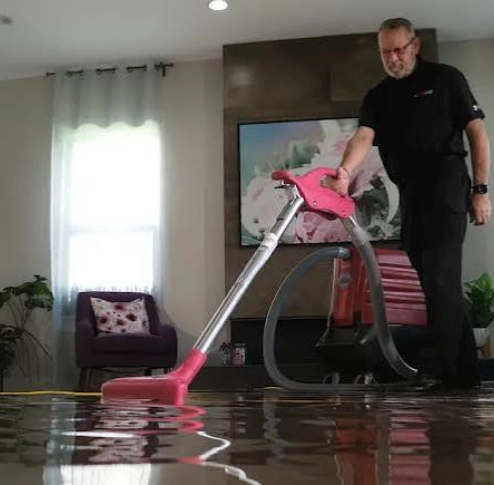
Water damage can strike any home at any time. And in Saint Paul, MN, with its cold winters, spring thaws, and occasional summer storms, homeowners face a range of risks that can lead to unwanted moisture inside the home, and that’s when you should consider water Damage Restoration in Saint Paul, MN. Whether it is the result of a burst pipe, roof leak, appliance failure, or flooding, water intrusion can quickly cause structural damage, mould growth, and costly repairs if not handled properly.
Importance of Professional Water Damage Restoration
Professional water damage repair in Saint Paul, MN, is crucial for safeguarding your property, health, and long-term investment following water intrusion. Trained specialists use advanced equipment to quickly extract water, dry affected areas, and prevent secondary issues such as mold growth, structural weakening, and electrical hazards. Unlike DIY methods, professional restoration ensures hidden moisture is properly addressed, reducing the risk of costly repairs and recurring damage. Prompt, expert intervention also helps restore your home or business safely, efficiently, and in compliance with industry standards, giving you peace of mind during a stressful situation.
Therefore, this comprehensive guide will walk you through everything you need to know about water damage restoration in Saint Paul, MN. You’ll learn how water damage happens, why it’s so serious, what steps to take immediately after damage occurs, how professional restoration works, and tips to prevent future issues. If you’re facing a water emergency or simply want to be prepared, this article will help you make confident decisions that protect your home and your family.

Understanding Water Damage in Saint Paul Homes
Water can enter your home in many ways, some obvious and others less so. Understanding the common causes of water damage in Saint Paul helps you recognise risks and act quickly.
Common Causes of Water Damage
Here are a few common causes responsible for the water damage in Saint Paul Homes:
- Burst Pipes:
Saint Paul’s winter temperatures can plunge well below freezing. When pipes aren’t adequately insulated, water inside them can freeze, expand, and burst, releasing gallons of water suddenly into walls, floors, or basements. Therefore, it is necessary to consider basement water damage restoration services in Saint Paul, MN, as soon as you identify them. - Roof Leaks:
Minnesota often faces heavy rain, snow accumulation, and ice dams. Damaged or missing shingles, clogged gutters, and worn flashings allow water to seep into roof structures and ceilings. - Appliance Failures:
Washing machines, dishwashers, water heaters, and refrigerators with ice makers can malfunction and leak, often without immediate detection until substantial water pools on floors. - Foundation Cracks and Poor Drainage:
Saint Paul’s freeze-thaw cycles and clay soils can shift foundations over time. Water can enter through cracks or due to improper grading and poor yard drainage. - Flooding:
While St. Paul isn’t in a high-risk floodplain overall, localised flooding from heavy storms or spring runoff can occur. Homes near creeks and low-lying areas are especially vulnerable.
Signs That Water Damage Restoration is Required:
The Top 5 Signs to identify water removal services in Saint Paul, MN include:
- Musty Odors:
It is the persistent damp smells that indicate the trapped moisture and the possible mold growth. - Visible Stains:
The visible stains, including the watermarks, discoloration, or dark patches on walls and ceilings, indicate the leaks. - Damaged Surfaces:
You can identify it through the peeling paint, bubbling wallpaper, or warped floors that show prolonged moisture exposure. - Mold Growth:
The appearance of mold or mildew points to ongoing water issues and health risks. - High Humidity:
Excess of moisture or condensation indoors suggests hidden water damage needing restoration.
Water Damage Repair Process Explained:
The 5 crucial steps included in this process particularly include:
Step 01:
Inspection & Damage Assessment:
The process begins with a detailed inspection to identify the source of water damage and evaluate how deeply it has affected structures, materials, and hidden areas. This step helps to create a clear and effective restoration plan.
Step 02:
Water Extraction:
All standing and excess water is removed using professional-grade pumps and extraction tools. Quick water removal is critical to limit further damage to floors, walls, furniture, and electrical systems.
Step 03:
Drying & Dehumidification:
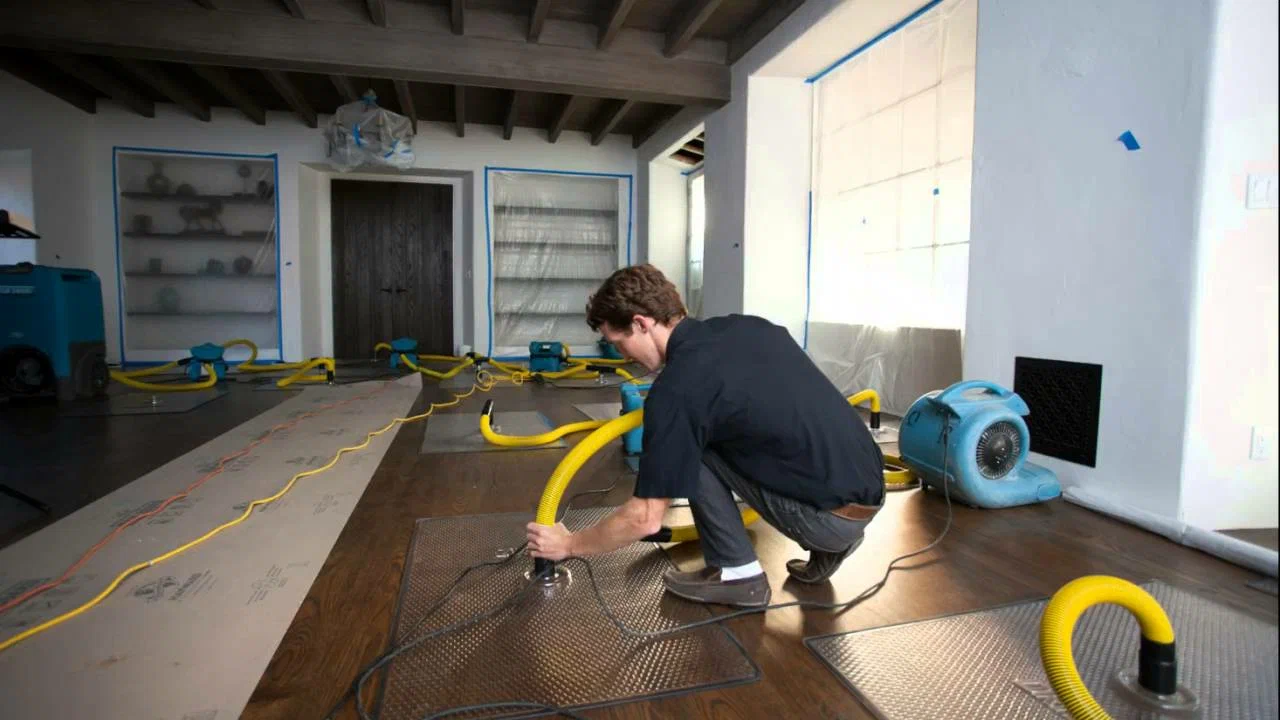
Industrial air movers and dehumidifiers are used to dry affected areas thoroughly. This stage ensures moisture trapped behind walls, under flooring, and in structural materials is eliminated to prevent mold growth.
Step 04:
Cleaning & Sanitizing:
Surfaces, belongings, and affected spaces are carefully cleaned and disinfected. This helps remove bacteria, contaminants, and unpleasant odors, ensuring a safe and healthy environment.
Step 05:
Restoration & Final Repairs:
The final step involves repairing or replacing damaged drywall, flooring, insulation, and other materials. The goal is to restore the property to its original condition while ensuring long-term durability and safety.
Steps Required to Prevent Future Water Damage in Your Home:
These are a few steps that are required to be followed to prevent future water damage in your home:
- Initial Inspection & Damage Assessment:
The repair process begins with a detailed inspection of the property to identify the source of the water damage and evaluate the extent of both visible and hidden issues. Professionals use specialized tools to assess how deeply water has penetrated walls, floors, and structural materials, allowing them to create an effective restoration plan. - Water Source Control:
Before repairs can proceed, the source of the water intrusion is identified and stopped. This may involve shutting off the water supply, fixing a leak, or addressing external drainage issues to ensure no additional water enters the property. - Water Extraction:
Standing water and excess moisture are removed using powerful pumps and extraction equipment. Prompt water removal is critical to minimize further damage, prevent saturation of materials, and reduce the risk of mold growth. - Moisture Detection & Monitoring:
Advanced moisture meters and thermal imaging tools are used to detect water trapped behind walls, under flooring, or in hard-to-see areas. Continuous monitoring ensures all affected areas are properly addressed during the drying process. - Drying & Dehumidification:
Industrial air movers and dehumidifiers are strategically placed to remove remaining moisture from surfaces and the air. This step helps stabilize humidity levels and prevents secondary damage such as warping, swelling, or mold formation. - Cleaning & Sanitization:
All affected areas, including surfaces and salvageable belongings, are thoroughly cleaned and disinfected. This step removes bacteria, contaminants, and odors, helping to restore a safe and healthy indoor environment. - Final Inspection & Restoration Completion:
The process concludes with a final inspection to confirm all areas are completely dry, repairs meet quality standards, and the property is fully restored to its pre-damage condition.
Services Included in Our Professional Restoration Services:
When planning to choose a professional service, always ensure that you choose a reputable service with excellent results. Therefore, our services include:
- Detailed Damage Inspection & Assessment:
Our team conducts a comprehensive inspection to identify the source and extent of water damage in your home. Using advanced tools, we assess both visible and hidden moisture to create a clear restoration plan tailored for residential water damage restoration in Saint Paul properties. - Emergency Water Extraction:
We provide rapid water removal using professional-grade pumps and extraction equipment. Quick response helps minimize damage to flooring, walls, furniture, and structural components while preventing further water spread. - Advanced Drying & Dehumidification:
Industrial air movers and dehumidifiers are strategically placed to thoroughly dry affected areas. This step removes moisture from walls, ceilings, floors, and the air, ensuring long-term protection against mold and structural issues. - Moisture Detection & Monitoring:
Specialized moisture meters and thermal imaging technology are used to detect water trapped in hidden spaces. Continuous monitoring ensures all damp areas are fully dried before moving to the repair stage. - Cleaning, Sanitization & Odor Removal:
All impacted surfaces and salvageable belongings are carefully cleaned and disinfected. This process eliminates bacteria, contaminants, and unpleasant odors, restoring a healthy indoor environment for your home. - Mold Prevention & Remediation:
Preventive treatments are applied to stop mold growth before it begins. If mold is already present, targeted remediation is performed to protect indoor air quality and your family’s health. - Structural Repairs & Restoration:
Damaged drywall, flooring, insulation, and other materials are repaired or replaced. Our goal is to restore your home’s safety, functionality, and appearance to pre-damage condition. - Final Inspection & Quality Assurance:
The restoration process concludes with a detailed final inspection to ensure all areas are dry, safe, and fully restored, meeting industry standards for Residential water damage restoration in Saint Paul homeowners.
Therefore, choosing a reliable professional company such as SIMESOTA Restoration can be your ideal choice, as they offer excellent services with excellent results.
Why Choose SIMESOTA Restoration?
Whether you want a residential or an emergency water damage restoration in Saint Paul, we are your best choice. The reasons to choose our professional services include:
Experienced & Certified Professionals
- Our team consists of trained and certified restoration experts with hands-on experience in handling all types of residential water damage.
- We follow industry best practices to ensure safe, efficient, and reliable restoration results.
Fast Response & Emergency Support
- We provide quick response times to minimize damage and prevent further issues such as mold growth.
- Our emergency services ensure your property is addressed promptly when you need help the most.
Advanced Equipment & Proven Methods
- We use modern, professional-grade equipment for water extraction, drying, and moisture detection.
- Our proven restoration techniques ensure thorough drying and long-term protection of your property.
Customer-Focused & Trusted Service
- We prioritize clear communication, honest assessments, and customer satisfaction throughout the process.
- Our goal is to restore your property with minimal disruption while giving you complete peace of mind.
Conclusion:
In conclusion, Water damage can be stressful and overwhelming for any homeowner, but understanding the restoration process can make a significant difference in how quickly and safely your home recovers. In Saint Paul, MN, acting promptly and choosing a professional water damage restoration service helps prevent further structural damage, mold growth, and costly repairs. From early detection to complete restoration, expert support ensures your property is protected and restored to its pre-damage condition.
Frequently Asked Questions:
Q: What are considered common water damage issues?
A: The burst pipes, appliance failures (water heaters, ACs), sewer backups, roof leaks, and natural flooding.
Q: What should be done if mold is identified?
A: A mold can form in 24-28 hours. Therefore, if you identify the mold, it is necessary to immediately address it with a professional service provider.
Q: How to find a professional water damage restoration in Saint Paul?
A: You can find the best by searching online, reading Google reviews, viewing their previous services, and contacting locals for reviews about the services.