Water damage can happen unexpectedly, leaving homeowners and businesses in Maple Grove dealing with costly repairs, property damage, and major disruptions. Whether caused by severe weather, burst pipes, appliance failures, or hidden leaks, acting quickly is essential to minimize damage and restore your property efficiently.
This guide explains the water damage restoration process, common causes, warning signs, prevention tips, and what to do immediately after water damage occurs.
Understanding Water Damage and Its Risks
Water damage is not always immediately visible. Even a small leak can seep into walls, flooring, insulation, and structural materials, causing hidden issues that worsen over time if left untreated.
Common Causes of Water Damage
- Burst or leaking pipes
- Heavy rain and storm flooding
- Roof leaks or ice dam damage
- Malfunctioning appliances such as water heaters, dishwashers, and washing machines
- Sewer backups
- Basement flooding
Water damage can spread quickly through porous materials like drywall, wood, and insulation, increasing the risk of mold growth and structural problems.
Why Immediate Action Matters
Delaying water damage restoration can lead to serious consequences, including:
- Mold growth within 24–48 hours
- Structural weakening of walls and flooring
- Damage to furniture and personal belongings
- Electrical hazards
- Increased repair and restoration costs
Professionals recommend addressing water damage immediately to reduce long-term damage and restoration expenses.
Signs of Hidden Water Damage
Not all water damage is obvious. Here are some common warning signs:
- Water stains on ceilings or walls
- Musty or damp odors
- Bubbling paint or peeling wallpaper
- Warped hardwood or laminate flooring
- Mold growth or dark spots
- Sudden increase in water bills
If you notice these signs, it’s important to address the issue before it worsens.
Step-by-Step Water Damage Restoration Process
Professional restoration companies follow a proven process to fully restore damaged properties.
1. Emergency Response
Many restoration companies in Maple Grove provide 24/7 emergency services to begin mitigation immediately.
2. Inspection and Assessment
Experts inspect the affected areas using moisture meters and thermal imaging tools to determine the extent of the damage and create a customized restoration plan.
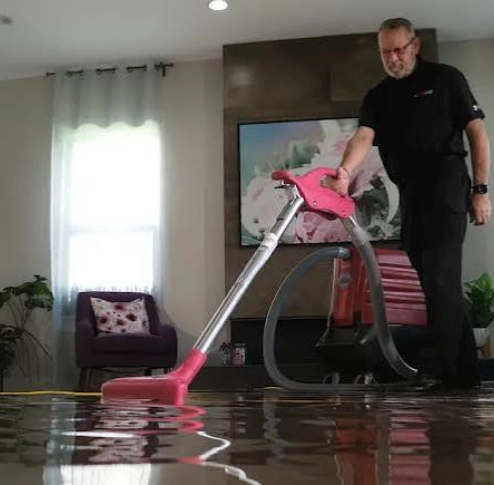
3. Water Extraction
Industrial pumps and vacuums remove standing water quickly and efficiently to prevent additional damage.
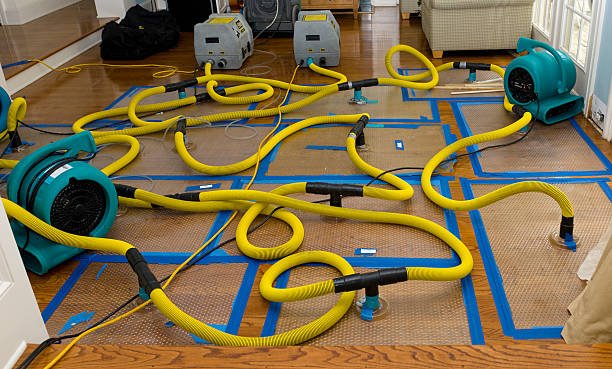
4. Drying and Dehumidification
High-powered air movers and dehumidifiers eliminate hidden moisture from walls, floors, and air spaces.
5. Cleaning and Sanitizing
All affected areas are cleaned and disinfected to prevent bacteria, odors, and mold growth.
6. Restoration and Repairs
Damaged drywall, flooring, insulation, and structural materials are repaired or replaced to restore the property safely.
The restoration process typically includes moisture monitoring, antimicrobial treatments, and complete drying procedures.
Why Hiring Professionals Is Important
Water damage restoration requires specialized equipment and expertise. DIY cleanup may not fully remove hidden moisture, leading to mold and structural issues later.
Benefits of Professional Restoration Services
- Advanced drying and moisture detection equipment
- Faster water removal and drying times
- Mold prevention and remediation
- Safe handling of contaminated water
- Assistance with insurance claims
- Complete structural restoration
Professional restoration companies also help homeowners identify hidden moisture that could otherwise lead to long-term damage.
How to Prevent Water Damage
Preventative maintenance can significantly reduce the risk of water damage in your home or business.
Helpful Prevention Tips
- Inspect plumbing regularly for leaks
- Clean gutters and downspouts
- Ensure proper drainage around the property
- Install a sump pump in flood-prone basements
- Replace aging appliances and water lines
- Seal windows and roof openings properly
- Prevent ice dams during winter months
Winter weather and ice dams are common causes of water damage in Minnesota homes.
What To Do Immediately After Water Damage
If water damage occurs, take these steps immediately:
- Shut off the water source if possible
- Turn off electricity in affected areas
- Avoid contact with standing water
- Move valuables and furniture to a dry location
- Document the damage with photos and videos
- Contact a professional restoration company right away
Quick action helps minimize structural damage and prevents mold growth.
Final Thoughts
Water damage in Maple Grove can be stressful and overwhelming, but acting quickly can make a major difference. Professional water damage restoration services help minimize damage, prevent mold growth, and restore your property safely and efficiently.
By understanding the restoration process and taking preventative measures, you can better protect your home or business from future water damage issues.
Frequently Asked Questions (FAQs)
1. How quickly should water damage be addressed?
Water damage should be addressed immediately—preferably within 24–48 hours—to prevent mold growth and structural damage.
2. How long does water damage restoration take?
The timeline depends on the severity of the damage. Minor issues may take a few days, while major restoration projects can take several weeks.
3. Can water damage cause mold?
Yes. Mold can begin growing within 24–48 hours if moisture is not removed properly.
4. Does homeowners insurance cover water damage?
Coverage depends on your policy and the source of the water damage. Sudden incidents are often covered, while gradual damage may not be.
5. Can I clean up water damage myself?
Small spills may be manageable, but extensive water damage should be handled by professionals with proper equipment and expertise.
6. What areas are most vulnerable to water damage?
Basements, bathrooms, kitchens, laundry rooms, and areas near plumbing systems are most commonly affected.
7. How do professionals detect hidden moisture?
Restoration experts use moisture meters, thermal imaging cameras, and specialized sensors to locate hidden water.
8. Is standing water dangerous?
Yes. Standing water may contain contaminants, bacteria, or electrical hazards.
9. What materials are most susceptible to water damage?
Drywall, carpeting, wood flooring, insulation, and upholstered furniture are highly vulnerable.
10. How can I reduce future water damage risks?
Routine maintenance, proper drainage, plumbing inspections, and quick leak repairs can greatly reduce the risk of future damage.