Water damage can happen when you least expect it—whether from heavy storms, burst pipes, appliance failures, or hidden leaks. For homeowners and businesses in Wayzata, Minnesota, dealing with water damage quickly and effectively is essential to prevent long-term issues and costly repairs.
In this guide, we’ll walk you through everything you need to know about water damage restoration, how the process works, and why acting fast can make all the difference.
Understanding Water Damage and Its Impact
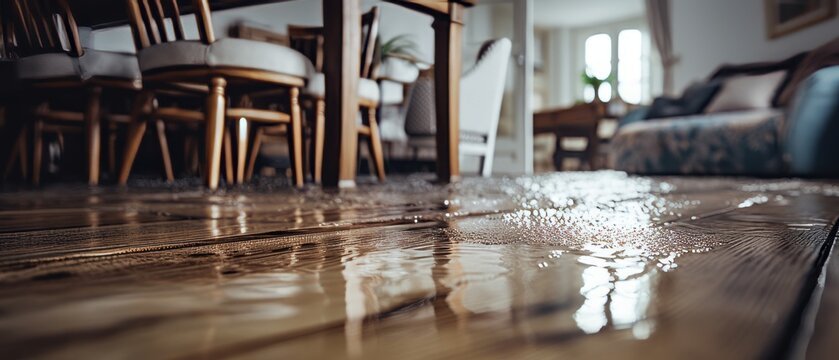
Water damage isn’t just about visible flooding or wet carpets. Even small amounts of moisture can seep into walls, flooring, and structural components, causing serious problems over time.
Common Causes of Water Damage
- Burst or leaking pipes
- Heavy rainfall or flooding
- Roof leaks
- Appliance malfunctions (washing machines, dishwashers, water heaters)
- Sewer backups
Why Immediate Action Matters
Delaying restoration can lead to:
- Increased repair costs
- Mold and mildew growth within 24–48 hours
- Structural weakening of walls and floors
- Damage to electrical systems
Signs You May Have Water Damage
Sometimes water damage isn’t obvious right away. Look out for these warning signs:
- Water stains on ceilings or walls
- Musty or damp odors
- Peeling paint or bubbling wallpaper
- Warped or buckling floors
- Visible mold growth
If you notice any of these, it’s important to act quickly before the damage worsens.
The Water Damage Restoration Process
Professional restoration services follow a structured process to ensure your property is fully restored and safe.
1. Emergency Response
Quick response is critical. Restoration teams typically offer 24/7 services to begin mitigation immediately.
2. Inspection and Damage Assessment
Experts evaluate the extent of the damage using moisture detection tools and create a restoration plan.
3. Water Extraction
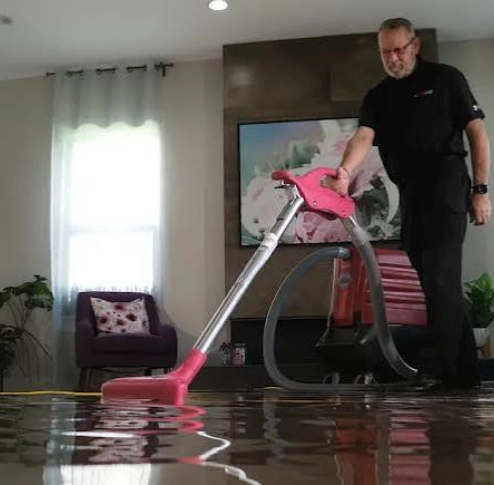
Standing water is removed using high-powered pumps and vacuums to prevent further absorption.
4. Drying and Dehumidification
Industrial-grade air movers and dehumidifiers are used to eliminate hidden moisture.
5. Cleaning and Sanitizing
All affected areas are cleaned and disinfected to prevent mold, bacteria, and odors.
6. Restoration and Repairs
This step may include minor repairs like drywall replacement or major reconstruction, depending on the severity.
Why Professional Restoration Services Are Essential
While small spills can be handled on your own, significant water damage requires professional expertise.
Benefits of Hiring Experts
- Advanced equipment for faster drying
- Thorough moisture detection
- Mold prevention and remediation
- Safe handling of contaminated water
- Assistance with insurance claims
Professionals ensure that the problem is fully addressed—not just the visible damage.
Tips to Prevent Water Damage
Prevention is always better than restoration. Here are some practical steps to protect your property:
- Regularly inspect plumbing and fix leaks promptly
- Clean gutters and downspouts
- Install a sump pump in basements
- Seal windows and doors properly
- Monitor appliances for wear and tear
What to Do Immediately After Water Damage
If you experience water damage, take these steps right away:
- Shut off the water source (if possible)
- Turn off electricity in affected areas
- Move valuable items to a dry location
- Avoid standing water due to safety risks
- Contact a professional restoration service immediately
Final Thoughts
Water damage can be overwhelming, but with the right approach and timely action, you can restore your property and prevent long-term issues. Professional water damage restoration services in Wayzata, Minnesota ensure your home or business is thoroughly cleaned, dried, and repaired—giving you peace of mind.
Frequently Asked Questions (FAQs)
1. How quickly should I respond to water damage?
Immediately. The first 24–48 hours are critical to prevent mold and further damage.
2. How long does restoration take?
It depends on the severity. Minor cases may take a few days, while extensive damage can take several weeks.
3. Is water damage covered by insurance?
Coverage varies by policy. Sudden damage is often covered, but gradual damage may not be.
4. Can I handle water damage myself?
Small issues can be managed, but professional services are recommended for thorough restoration.
5. How do professionals prevent mold growth?
By quickly drying affected areas and using antimicrobial treatments.