Water damage can strike unexpectedly, leaving homeowners and business owners in the Hennepin County metro area and Blaine dealing with stress, disruption, and potential financial loss. Whether it’s caused by severe weather, plumbing failures, or unnoticed leaks, acting quickly is the key to minimizing damage and restoring your property efficiently.
This guide explains how water damage restoration works, why it’s important, and how you can protect your property moving forward.
What Is Water Damage and Why It’s Serious
Water damage goes beyond what you can see. Moisture can penetrate deep into walls, floors, and structural elements, creating hidden problems that worsen over time if not addressed.
Common Causes of Water Damage
- Broken or leaking pipes
- Storm-related flooding
- Roof damage or leaks
- Faulty appliances like dishwashers or water heaters
- Sewer backups
Why Acting Fast Is Crucial
Waiting too long can lead to:
- Mold growth within a day or two
- Structural deterioration
- Electrical hazards
- Higher repair costs
Warning Signs of Water Damage
Not all water damage is obvious. Here are some subtle indicators to watch for:
- Discoloration on ceilings or walls
- Persistent damp or musty smells
- Peeling paint or wallpaper
- Warped or buckling floors
- Visible mold growth
If you notice any of these signs, it’s best to take action immediately before the issue escalates.
Step-by-Step Water Damage Restoration Process
Professional restoration services follow a systematic approach to ensure complete recovery:
1. Rapid Emergency Response
Most restoration companies offer 24/7 services to begin mitigation as soon as possible.
2. Inspection and Evaluation
Specialists assess the extent of the damage using advanced moisture detection tools and develop a tailored restoration plan.
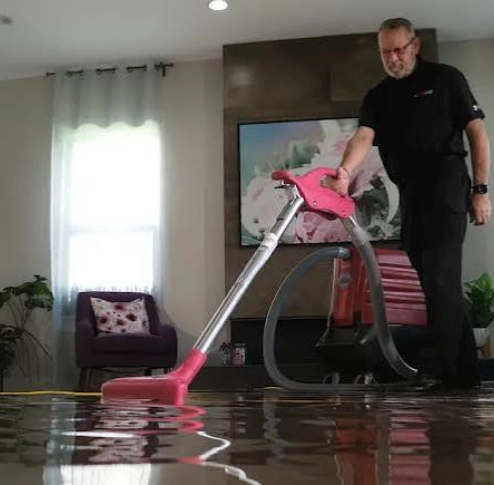
3. Water Extraction
Standing water is extracted using industrial pumps and vacuums to prevent further absorption.
4. Drying and Dehumidification
Powerful air movers and dehumidifiers eliminate hidden moisture from walls, floors, and air.
5. Cleaning and Sanitizing
All affected areas are cleaned and disinfected to prevent mold, bacteria, and odors.
Why You Should Hire Professionals
Handling major water damage without proper tools and expertise can lead to incomplete restoration and future problems.
Advantages of Professional Services
- High-powered drying equipment
- Accurate moisture detection
- Mold prevention techniques
- Safe handling of contaminated water
- Assistance with insurance claims
Professionals ensure that the problem is fully addressed—not just the visible damage.
Preventing Water Damage
Taking proactive steps can significantly reduce the risk of water damage:
- Regularly check pipes and plumbing systems
- Clean and maintain gutters
- Install a sump pump in vulnerable areas
- Properly seal windows and doors
- Keep an eye on aging appliances
What To Do Right After Water Damage Occurs
Quick action can make a major difference. Here’s what you should do:
- Turn off the water source if possible
- Shut down electricity in affected areas
- Move valuables to a safe, dry space
- Avoid contact with standing water
- Call a professional restoration service immediately
Conclusion
Water damage can feel overwhelming, but with quick action and professional support, recovery is entirely possible. In the Hennepin County metro area and Blaine, expert restoration services help ensure your property is properly dried, cleaned, and restored—protecting both your investment and your peace of mind.
Frequently Asked Questions (FAQs)
1. How fast should I respond to water damage?
Immediately. Acting within the first 24–48 hours helps prevent mold and structural damage.
2. How long does the restoration process take?
It varies. Minor issues may take a few days, while severe damage could take several weeks.
3. Does insurance cover water damage?
It depends on your policy. Sudden incidents are often covered, but gradual damage may not be.
4. Can I fix water damage myself?
Small issues can be managed, but larger problems require professional equipment and expertise.
5. How is mold prevented during restoration?
Professionals use rapid drying methods and antimicrobial treatments to stop mold growth.