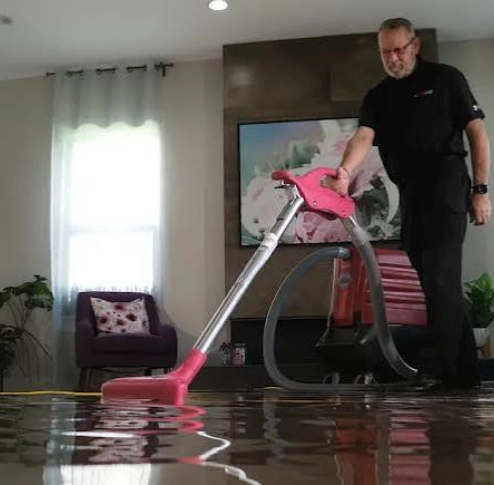
Water damage can strike unexpectedly, wreaking havoc on your property and posing significant health risks. Whether it’s due to a burst pipe, severe storm, or appliance malfunction, immediate action is crucial to mitigate damage and prevent mold growth. This article provides a comprehensive guide on the immediate steps to take after water damage, highlights emergency services available in Blaine, and explains how professionals handle such emergencies.
Immediate Actions to Take After Water Damage
When faced with water damage, your prompt response can make a significant difference in minimizing destruction and ensuring safety. Here’s what you should do immediately:
- Ensure Safety First
- Turn Off Electricity: Water and electricity are a dangerous combination. If it’s safe, disconnect the power supply to prevent electrical hazards.
- Avoid Contaminated Water: Floodwaters may contain harmful bacteria or chemicals. Avoid contact without proper protection.
- Stop the Water Source
- Identify and Halt the Source: Locate the origin of the water intrusion and stop it. This could involve turning off the main water supply or repairing a broken pipe.
- Document the Damage
- Take Photographs and Videos: Documenting the extent of the damage is essential for insurance claims. Capture images and videos before any cleanup begins.
- Remove Excess Water
- Use Pumps and Wet/Dry Vacuums: If there’s a significant amount of standing water, use appropriate equipment to remove it. For smaller areas, mopping may suffice.
- Ventilate the Area: Open windows and doors to promote air circulation, aiding the drying process.
- Protect Your Belongings
- Move Items to a Dry Area: Relocate furniture, electronics, and other valuables to prevent further damage.
- Use Protective Barriers: Place aluminum foil or wooden blocks under furniture legs to avoid contact with wet floors.
- Contact Professional Restoration Services
- Reach Out Immediately: The sooner you engage professionals, the better the chances of restoring your property effectively.
Emergency Services Available in Blaine
Residents of Blaine have access to several reputable emergency water damage restoration services. These professionals offer rapid response and comprehensive solutions to address water damage issues.
1. Water Damage Blaine
- Services Offered: Specializes in water extraction, structural drying, and dehumidification. They also provide mold remediation services to prevent health hazards.
- Availability: 24/7 emergency response to ensure timely assistance.
- Contact Information: Water Damage Blaine, MN
2. Mold Removal
- Services Offered: Focuses on mold inspection, testing, and removal. Their team uses advanced techniques to detect hidden mold and ensure complete eradication.
- Availability: Offers prompt service to address mold issues before they escalate.
- Contact Information: Mold Removal
3. Emergency Restoration Service Blaine MN
- Services Offered: Provides comprehensive restoration services, including water damage repair, fire damage restoration, and storm damage cleanup.
- Availability: 24/7 emergency services to handle disasters promptly.
- Contact Information: Emergency Restoration Service Blaine MN
How Professionals Handle Emergency Water Damage
Professional restoration companies follow a systematic approach to manage water damage effectively. Here’s an overview of their process:
- Assessment and Inspection
- Determine the Extent of Damage: Using specialized equipment, professionals assess the severity of water intrusion and identify affected areas.
- Develop a Restoration Plan: Based on the assessment, a tailored plan is created to address the specific needs of the property.
- Water Extraction
- Remove Standing Water: High-powered pumps and vacuums are used to extract water quickly, preventing further saturation.
- Inspect for Hidden Moisture: Professionals use moisture detectors to find water hidden behind walls or under floors.
- Drying and Dehumidification
- Use of Industrial-Grade Equipment: Air movers and dehumidifiers are deployed to dry out structures and belongings thoroughly.
- Monitor Progress: Continuous monitoring ensures that drying goals are met, and any necessary adjustments are made.
- Cleaning and Sanitizing
- Disinfect Affected Areas: To prevent mold and bacterial growth, professionals clean and sanitize all affected surfaces.
- Odor Removal: Specialized equipment is used to eliminate any lingering odors caused by water damage.
- Restoration and Repairs
- Repair Damaged Structures: This may involve replacing drywall, installing new carpeting, or reconstructing affected areas.
- Final Inspection: Ensures that all repairs meet safety standards and that the property is restored to its pre-damage condition.
Conclusion
Dealing with water damage can be overwhelming, but taking immediate action and enlisting professional help can significantly reduce the impact. Residents of Blaine have access to expert services that offer prompt and efficient solutions. Remember, the key to effective water damage restoration lies in swift response and professional intervention.
Frequently Asked Questions
Q1: How quickly should I respond to water damage?
A1: It’s crucial to act within 24-48 hours to prevent mold growth and minimize structural damage.
Q2: Can I handle water damage cleanup myself?
A2: For minor incidents, DIY methods may suffice. However, significant water damage requires professional expertise to ensure thorough drying and mold prevention.
Q3: Does homeowners insurance cover water damage?
A3: Coverage depends on your policy and the cause of damage. It’s essential to review your insurance terms and contact your provider promptly.
Q4: How long does the professional restoration process take?
A4: The duration varies based on the extent of damage but typically ranges from a few days to several weeks.
Q5: What are the signs of hidden water damage?
A5: Indicators include unexplained musty odors, discoloration on walls or ceilings, and warped flooring.
Q6: Is mold growth inevitable after water damage?
A6: Not necessarily. Prompt and thorough drying within 48 hours can prevent mold development.
Q7: What should I do if I notice mold after water damage?
A7: Contact a professional mold remediation service immediately to assess and address the issue safely.
Q8: Are emergency restoration services available during holidays?
A8: Yes, many emergency restoration companies offer 24/7 services, including holidays, to address urgent situations.
Q9: How can I prevent water damage in the future?
A9: Regular maintenance, such as inspecting plumbing, sealing windows, and ensuring proper drainage, can help prevent water damage.
Q10: What items are most susceptible to water damage?
A10: Porous materials like drywall, carpeting, and upholstered furniture are highly susceptible and may require special attention during restoration.