Water damage emergencies rarely happen at a convenient time. A burst pipe during winter, heavy storms moving through the area, appliance failures, or sudden plumbing leaks can quickly affect multiple parts of a home. What begins as a small amount of moisture can rapidly spread into walls, flooring systems, insulation, and structural materials.
For homeowners throughout Blaine, acting quickly during the first few hours can significantly reduce restoration costs and prevent long-term issues such as mold growth and hidden structural damage.
At SIMESOTA Restoration, we regularly assist homeowners throughout Blaine dealing with emergency water events ranging from frozen pipe failures and basement seepage to storm-related water intrusion and appliance leaks.
Because homes throughout Blaine vary in age, design, and location, water damage situations often look different from one neighborhood to another.
Why Emergency Water Damage Happens in Blaine Homes
Minnesota weather conditions often contribute to unexpected water emergencies.
During winter, prolonged freezing temperatures can place stress on plumbing systems located in:
- Exterior walls
- Garages
- Utility spaces
- Unfinished basement areas
- Crawl spaces
When temperatures rise, frozen pipes may thaw and burst, allowing large amounts of water to enter the home quickly.
Spring and summer can create different challenges.
Heavy rainfall and rapid snowmelt can overwhelm drainage systems and contribute to:
- Basement water intrusion
- Foundation seepage
- Roof leaks
- Sump pump failures
- Moisture around lower-level living spaces
Even homes without previous issues may experience sudden water damage under changing weather conditions.
Put Safety First Before Entering Affected Areas
Before attempting cleanup, evaluate the situation carefully.
Water emergencies can create several hazards throughout the property.
Areas containing standing water near the following should be approached cautiously:
- Electrical outlets
- Appliances
- Wiring systems
- Heating equipment
If possible, shut off electricity in affected areas before entering.
Floodwater from sewage backups or outdoor flooding may also contain contaminants and should be treated carefully.
Identify and Stop the Water Source
Stopping the source of water can prevent additional damage from spreading throughout the home.
Common causes of emergency water damage in Blaine include:
- Burst pipes
- Water heater failures
- Appliance leaks
- Roof damage
- Plumbing system failures
- Overflowing sinks and tubs

Shutting off the home’s main water supply often helps limit further water intrusion.
A Common Situation We Frequently See in Blaine
One scenario our team regularly encounters involves finished basement spaces.
A homeowner notices minor moisture after spring snowmelt or heavy rainfall. The area appears to dry quickly, and no additional action is taken.
Several weeks later, homeowners often begin noticing:
- Musty odors
- Discoloration near baseboards
- Soft drywall
- Increased indoor humidity
- Flooring changes
After inspection, moisture is frequently discovered trapped behind finished walls and beneath flooring systems.
By this stage, the affected area can be significantly larger than originally expected.
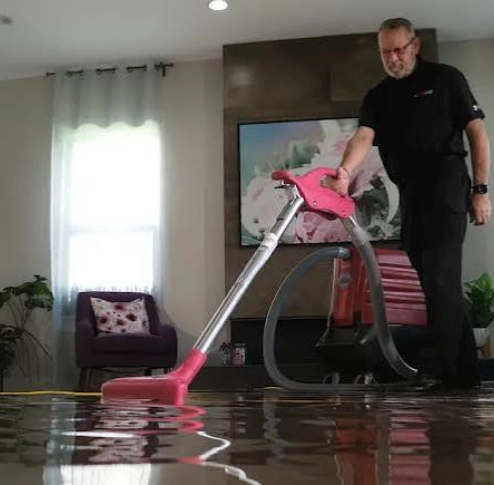
Remove Standing Water Quickly
Standing water rarely remains limited to visible surfaces.
Moisture can quickly penetrate:
- Drywall
- Carpet padding
- Wood flooring
- Insulation
- Furniture
- Structural framing
Fast extraction can help reduce:
- Structural deterioration
- Material replacement costs
- Odors
- Mold risk
- Long-term restoration needs
Professional extraction equipment typically removes water more efficiently than standard household methods.
Protect Important Belongings
If conditions are safe, move valuable items away from affected areas immediately.
Priority items often include:
- Electronics
- Personal documents
- Family photographs
- Furniture
- Rugs
- Clothing
- Valuable belongings
Quick action may help reduce permanent damage.
Why Hidden Moisture Creates Long-Term Problems
Removing visible water does not necessarily mean a home is dry.
Moisture often remains hidden behind:
- Walls
- Baseboards
- Flooring systems
- Cabinets
- Insulation
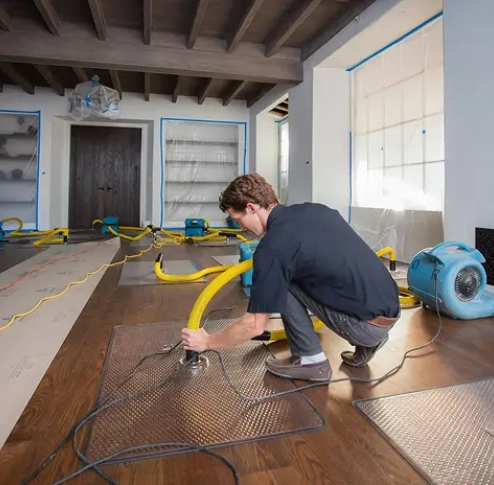
Without proper moisture detection and drying procedures, water can continue affecting materials long after surfaces appear dry.
Why Blaine Homeowners Choose SIMESOTA Restoration
Successful water damage restoration requires more than simply removing standing water.
SIMESOTA Restoration understands the local conditions affecting homes throughout Blaine, including freeze-thaw cycles, storm-related water intrusion, basement moisture problems, and hidden structural damage.
Using advanced moisture detection equipment, extraction systems, and professional drying technology, our team focuses on identifying both visible and hidden damage to help restore homes safely and efficiently.
Because every property presents different conditions, our restoration process is designed to provide solutions tailored to the specific needs of each home.
Final Thoughts
Emergency water damage can quickly become more serious when moisture spreads beyond visible areas.
For homeowners throughout Blaine, early action often makes a significant difference in reducing repair costs, limiting structural damage, and preventing future moisture problems.
Understanding what to do during the first hours after water damage helps protect both your property and your peace of mind.
Frequently Asked Questions
1. What should I do immediately after water damage occurs?
Focus on safety first, stop the source if possible, protect valuables, and begin removing standing water.
2. How quickly can mold begin growing after water damage?
Mold can begin developing within 24–48 hours when moisture remains trapped.
3. Can small leaks create larger problems later?
Yes. Hidden moisture behind walls and flooring can continue spreading even after surfaces appear dry.
4. Why do finished basements frequently develop hidden damage?
Finished materials often conceal moisture behind drywall and insulation.
5. Can frozen pipes cause severe water emergencies?
Yes. Burst pipes may release significant amounts of water throughout a home.
6. Does homeowners insurance cover water damage?
Coverage varies depending on the source of the damage and policy details.
7. How long does water restoration usually take?
Project timelines vary based on damage severity and drying requirements.
8. Can homeowners remain inside during restoration work?
Smaller projects may allow occupancy, while severe situations may require temporary relocation.
9. Why is professional moisture detection important?
Hidden moisture can remain inside materials and continue causing damage.
10. Why do homeowners choose SIMESOTA Restoration?
SIMESOTA combines local experience, advanced technology, and customized restoration solutions designed for Minnesota properties.