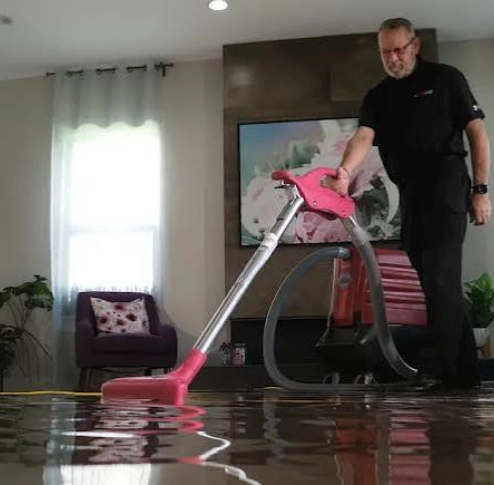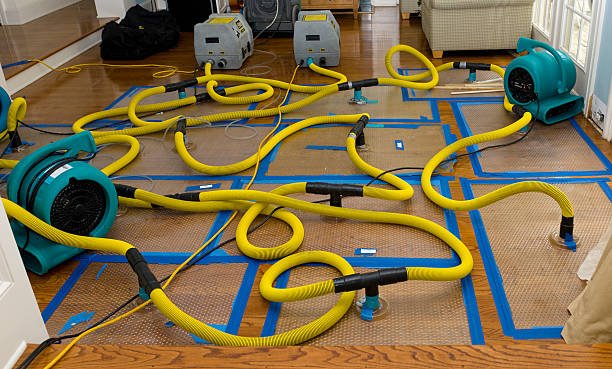
Indoor water damage is one of the most common and costly problems homeowners and businesses in Maple Grove face. While severe storms and flooding often make headlines, many water damage incidents actually begin inside the property due to plumbing failures, appliance leaks, or unnoticed moisture problems.
Understanding the most common causes of indoor water damage can help property owners take preventative measures and reduce the risk of expensive repairs and structural damage.
Why Indoor Water Damage Is a Serious Problem
Indoor water damage can spread quickly throughout a home or commercial property. Water often seeps into walls, flooring, ceilings, insulation, and hidden structural areas before visible signs appear.
If left untreated, indoor water damage may lead to:
- Mold growth within 24–48 hours
- Structural weakening
- Damaged flooring and drywall
- Electrical hazards
- Increased restoration costs
- Poor indoor air quality
Fast identification and professional restoration are essential to minimize long-term damage.
Common Causes of Indoor Water Damage in Maple Grove
1. Burst or Leaking Pipes
One of the leading causes of indoor water damage is damaged plumbing pipes. In Maple Grove, freezing winter temperatures can cause pipes to freeze and burst, leading to sudden flooding inside homes and businesses.
Common plumbing issues include:
- Frozen pipes during winter
- Corroded or aging pipes
- Loose pipe connections
- Cracked water supply lines
- Hidden leaks behind walls
Even a slow leak can cause significant damage over time if not detected early.
2. Water Heater Failures
Water heaters are a frequent source of indoor water damage. Older units may develop rust, corrosion, or pressure buildup that causes leaks or tank failures.
Warning signs of water heater problems include:
- Water pooling near the unit
- Rust-colored water
- Strange noises from the tank
- Inconsistent hot water
- Visible corrosion
Routine maintenance and timely replacement can help prevent unexpected failures.
3. Washing Machine and Dishwasher Leaks
Household appliances connected to water lines can leak unexpectedly due to worn hoses, faulty seals, or clogged drains.
Common appliance-related water damage includes:
- Burst washing machine hoses
- Dishwasher overflow
- Refrigerator water line leaks
- Clogged appliance drains
- Loose plumbing connections
Regular inspection of appliance hoses and connections can help prevent indoor flooding.
4. Roof Leaks and Ceiling Damage
Roof leaks often lead to indoor water damage, especially during heavy rain, snowstorms, or ice dam formation common in Minnesota winters.
Water entering through the roof can damage:
- Ceilings
- Insulation
- Walls
- Attics
- Electrical systems
Signs of roof-related water damage may include water stains, peeling paint, or dripping water during storms.
5. Basement Water Intrusion
Basements are highly vulnerable to indoor water damage due to groundwater seepage, poor drainage, and foundation cracks.
Common causes of basement flooding include:
- Heavy rainfall
- Sump pump failure
- Cracked foundations
- Poor exterior drainage
- Sewer backups
Basement moisture can quickly lead to mold growth and structural issues if not addressed promptly.
6. Bathroom and Plumbing Fixture Leaks
Bathrooms contain multiple plumbing fixtures that can develop leaks over time.
Frequent bathroom-related water damage sources include:
- Overflowing toilets
- Leaking sinks
- Damaged shower pans
- Cracked caulking or grout
- Faulty toilet supply lines
Small bathroom leaks are often overlooked until major water damage occurs behind walls or under flooring.
7. HVAC System Condensation Issues
Heating and cooling systems can produce excess condensation that may cause hidden indoor water damage.
Common HVAC-related moisture problems include:
- Clogged condensate drain lines
- Frozen evaporator coils
- Poor ventilation
- Leaking ductwork
Excess moisture from HVAC systems can contribute to mold growth and indoor humidity problems.
8. Sewer Backups
Sewer backups are one of the most hazardous forms of indoor water damage because contaminated water may contain bacteria and harmful pathogens.
Common causes of sewer backups include:
- Tree root intrusion
- Blocked sewer lines
- Heavy rainfall overwhelming systems
- Aging sewer infrastructure
Professional cleanup and sanitation are essential after any sewage-related water damage.
Warning Signs of Indoor Water Damage
Indoor water damage is not always immediately visible. Watch for these common signs:
- Water stains on ceilings or walls
- Musty or damp odors
- Warped flooring
- Bubbling paint or peeling wallpaper
- Mold growth
- Increased humidity indoors
- Unexpected increase in water bills
Early detection can prevent extensive structural damage and costly repairs.
How to Prevent Indoor Water Damage
Preventative maintenance is the best way to reduce the risk of indoor water damage.
Helpful Prevention Tips
- Inspect plumbing regularly for leaks
- Replace old appliance hoses
- Clean gutters and downspouts
- Install a sump pump with battery backup
- Seal foundation cracks promptly
- Maintain proper attic ventilation
- Schedule regular roof inspections
- Insulate pipes during winter
- Monitor water pressure levels
Routine maintenance can significantly lower the chances of unexpected indoor flooding or leaks.
What To Do If Indoor Water Damage Occurs
If you discover indoor water damage, act quickly to minimize further damage.
Immediate Steps To Take
- Shut off the water source if possible
- Turn off electricity in affected areas
- Remove valuable items from wet areas
- Document the damage with photos
- Contact a professional water damage restoration company
- Begin drying the area immediately if safe
Fast response helps reduce mold growth and structural damage.
Why Professional Water Damage Restoration Is Important
Indoor water damage often affects hidden areas that are difficult to dry completely without specialized equipment.
Professional restoration companies provide:
- Advanced moisture detection
- Industrial water extraction
- Structural drying and dehumidification
- Mold prevention treatments
- Sanitization and odor removal
- Complete repairs and restoration
Professional restoration ensures the property is fully dried and safely restored.
Final Thoughts
Indoor water damage in Maple Grove can happen unexpectedly and quickly escalate into a serious problem. Burst pipes, appliance leaks, basement flooding, and roof damage are among the most common causes homeowners face throughout the year.
Understanding the causes, warning signs, and prevention methods can help protect your home or business from costly damage. When water damage occurs, acting quickly and contacting experienced restoration professionals can make a major difference in minimizing repairs and restoring your property safely.
Frequently Asked Questions (FAQs)
1. What is the most common cause of indoor water damage?
Leaking or burst pipes are among the most common causes of indoor water damage.
2. Can small leaks cause major damage?
Yes. Even small leaks can lead to mold growth, wood rot, and structural damage over time.
3. How quickly can mold grow after water damage?
Mold can begin growing within 24–48 hours if moisture is not removed properly.
4. Are appliance leaks covered by homeowners insurance?
Coverage depends on the insurance policy and the cause of the leak.
5. How can I detect hidden water damage?
Warning signs include musty odors, water stains, warped flooring, and rising water bills.
6. Is basement water damage common in Maple Grove?
Yes. Heavy rain, snowmelt, and foundation issues commonly cause basement water intrusion.
7. Should I handle water damage cleanup myself?
Minor spills may be manageable, but significant water damage should be handled by professionals.
8. How often should plumbing be inspected?
Annual plumbing inspections are recommended to identify leaks and aging pipes early.
9. Can HVAC systems cause water damage?
Yes. Condensation buildup and clogged drain lines can create hidden moisture problems.
10. How can I prevent indoor water damage during winter?
Insulate pipes, maintain proper heating, and monitor for ice dams to reduce winter-related water damage risks.